Many industrial businesses eventually discover that standard magnetic systems do not always solve their actual operational problems. A magnetic separator that works well in one factory may perform poorly in another due to differences in material flow, production speed, contamination levels, machine layouts, temperature exposure, or maintenance conditions.
This is one reason why many manufacturers choose custom made magnets Malaysia industries can tailor to their own production environment, rather than relying purely on generic catalogue products. Instead of relying on one-size-fits-all designs, businesses increasingly explore industrial magnet engineering solutions designed around real operational challenges.
From food manufacturing and plastics processing to recycling, palm oil, mining, and chemical production, bespoke separator systems can help businesses improve contamination control, reduce downtime, minimise material waste, and support better long-term ROI.
For many operations today, magnetic systems are no longer viewed as simple accessories. They’re becoming part of broader production optimisation strategies focused on efficiency, product quality, operational stability, and equipment protection.
What Are Custom or Bespoke Magnet Solutions?
Bespoke Magnetic Systems Explained
Custom magnetic systems are engineered magnetic solutions designed specifically for a company’s operational requirements.
Unlike off-the-shelf products, bespoke separator systems are developed after analysing factors such as:
- Material behaviour
- Production throughput
- Contamination risks
- Machine layouts
- Temperature conditions
- Installation limitations
- Cleaning requirements
- Safety considerations
- Product sensitivity
This allows industrial magnet engineering teams to develop solutions that align more closely with actual factory conditions rather than relying on one-size-fits-all designs.
In many industries, even small differences in production setup can significantly affect magnetic separation performance.
Common Types of Custom Magnetic Solutions
Many custom made magnets Malaysia manufacturers use are developed for highly specific applications.
Examples include:
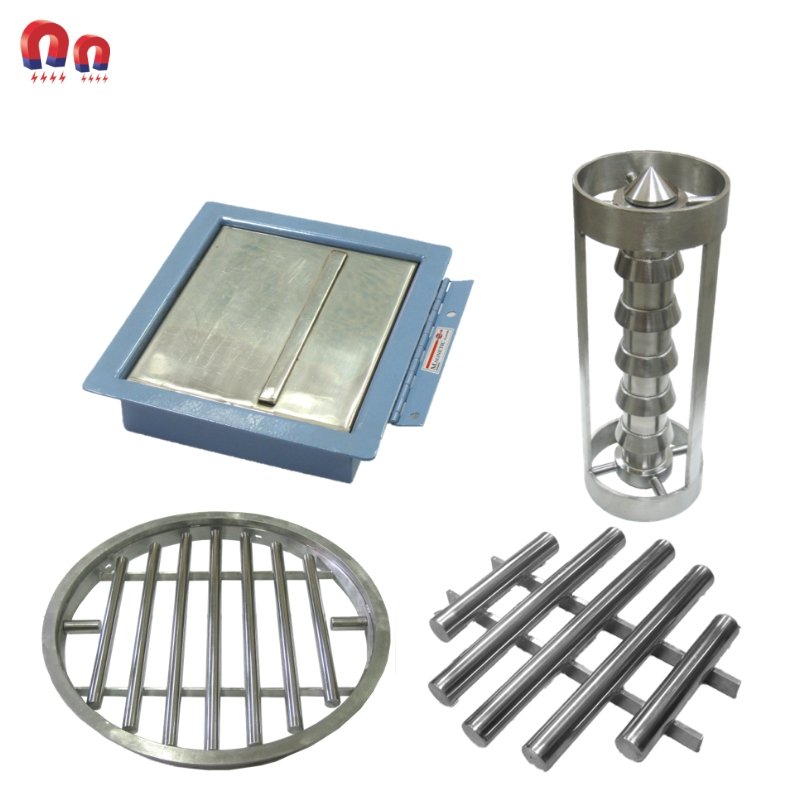
- Grate magnets
- Drawer magnets
- Magnetic drums
- Magnetic pulleys
- Overband separators
- Magnetic bars
- Hopper magnets
- Pipeline magnetic separators
- Plate magnets
- Magnetic lifting systems
Some companies may also require fully integrated magnetic systems designed directly into existing machinery or conveyor environments.
This level of engineering flexibility is one reason why businesses work with a magnet manufacturer Malaysia industries can consult directly for tailored solutions.
Why “Off-the-Shelf” Magnets Often Fail
Generic Solutions May Not Match Real Operations
Standard magnetic products are often designed for broad industrial applications. While this may work for basic environments, more complex production systems can create performance limitations.
A generic magnetic separator may struggle with:
- Uneven material flow
- Wet or sticky materials
- Fine powder contamination
- High production throughput
- Tight installation spaces
- Abrasive operating conditions
- High-temperature environments
- Complex conveyor layouts
When magnetic systems are poorly matched to operational conditions, businesses may experience inconsistent separation performance or recurring maintenance problems.
The Hidden Cost of Poor Magnetic Design
The problem with underperforming magnetic systems is not always immediately obvious.
Instead, the impact often appears gradually through:
- Increased product contamination
- Higher rejection rates
- Equipment damage
- Unplanned downtime
- More frequent cleaning
- Labour inefficiencies
- Material waste
- Reduced production consistency
In regulated sectors (especially food production), contamination control ties directly to hygiene and food-safety requirements, where preventing contamination risks and maintaining hygienic operations are part of day-to-day compliance.
In some cases, the cost of operational inefficiency may eventually exceed the original price difference between a generic separator and a properly engineered custom solution.
The Importance of Industrial Magnet Engineering
Magnets Are Part of a Larger Operational System
Modern industrial magnet engineering involves far more than simply selecting the strongest magnet available.
A properly engineered magnetic solution usually considers:
- Material characteristics
- Particle size
- Ferrous contamination levels
- Throughput volume
- Equipment integration
- Maintenance accessibility
- Product flow efficiency
- Future scalability
- Operational safety
This broader engineering approach helps businesses improve not only magnetic separation performance, but also overall production efficiency.
Different Industries Require Different Solutions
Every industry operates differently, which means magnetic systems often need to be customised accordingly.
| Industry | Typical Magnetic Requirements |
| Food manufacturing | Hygiene-friendly separator systems |
| Recycling | Heavy-duty ferrous recovery |
| Plastics | Fine contamination removal |
| Palm oil | High-volume processing durability |
| Mining | Abrasion-resistant magnetic systems |
| Pharmaceuticals | Precision contamination control |
For example, a magnetic separator used in a food-grade production environment may require easier cleaning access and sanitary housing designs, while a mining operation may prioritise durability and heavy material handling capacity.
This is why industrial magnet engineering has become increasingly important for Malaysian manufacturers operating in specialised industries.
How Bespoke Separator Systems Work
Step 1: Operational Assessment
The process usually begins with understanding the client’s operational environment in detail.
This may involve:
- Material testing
- Production line analysis
- Site inspections
- Machine measurements
- Throughput evaluation
- Contamination assessment
- Existing equipment review
A detailed operational assessment helps engineers identify the root cause of contamination or separation inefficiencies.
Step 2: System Design and Engineering
Once operational data is collected, the engineering phase begins.
At this stage, industrial magnet engineering teams may evaluate:
- Magnetic field strength
- Housing configurations
- Material compatibility
- Flow optimisation
- Mounting methods
- Cleaning accessibility
- Safety considerations
Some projects may also involve CAD modelling or prototype development before fabrication begins.
Step 3: Fabrication and Testing
The magnetic system is then manufactured and tested before installation.
Testing may include:
- Pull force validation
- Separation efficiency testing
- Durability checks
- Temperature resistance testing
- Product flow simulations
Testing is particularly important for industries where contamination control directly affects product quality or operational reliability.
Step 4: Installation and Optimisation
After installation, additional adjustments may sometimes be required to optimise real-world performance.
Some magnetic device Malaysia factories use may also require periodic inspections, recalibration, or maintenance checks to ensure long-term efficiency.
Hypothetical Case Study: Improving Waste Control With Custom Grates
The Operational Challenge
A manufacturing facility handling powdered raw materials experienced recurring contamination issues despite already using standard magnetic bars.
The existing setup created several problems:
- Inconsistent separation performance
- Material buildup
- Frequent cleaning interruptions
- Product waste during filtering
- Reduced throughput efficiency
Although the factory initially believed stronger magnets were the solution, the real issue involved material flow behaviour and separator configuration.
The Bespoke Solution
Following operational analysis, engineers developed a bespoke separator system using custom magnetic grate configurations tailored specifically to the facility’s production environment.
The new system included:
- Modified grate spacing
- Higher-efficiency magnetic layouts
- Improved material flow pathways
- Easier cleaning access
- Better integration with existing machinery
The Operational Outcome
After implementation, the company observed improvements such as:
- Reduced material waste
- Lower contamination rates
- Shorter cleaning downtime
- More stable production flow
- Improved throughput consistency
In that project, the customer’s internal tracking estimated waste reduction of around 20% after the redesigned system went live. Results vary by material type, throughput, and line conditions.
While outcomes naturally differ between industries and production environments, this example shows how custom made magnets Malaysia businesses invest in can influence broader operational efficiency rather than acting as standalone equipment.
Industries That Commonly Use Bespoke Separator Systems
Food and Beverage Manufacturing
Food processing facilities often require precise contamination control systems to help reduce ferrous contamination risks during production.
Custom magnetic systems may also need:
- Easy-clean designs
- Sanitary housings
- Corrosion-resistant materials
- High-temperature durability
Operational hygiene considerations are especially important in food-grade environments, where equipment and processes should support effective cleaning and help reduce contamination risk.
Recycling and Waste Management
Recycling facilities frequently use magnetic systems to separate ferrous materials from mixed waste streams.
Custom configurations may help improve:
- Material recovery rates
- Throughput efficiency
- Conveyor integration
- Heavy-duty operational durability
Palm Oil and Agricultural Processing
Malaysia’s agricultural industries often operate in demanding environments involving moisture, heat, and high production volumes.
Bespoke separator systems may help protect machinery while reducing contamination risks during processing operations.
Plastics and Chemical Industries
Plastic and chemical manufacturers may require high-precision magnetic systems capable of handling fine particles and specialised production flows.
These environments often demand stronger engineering customisation compared to generic industrial applications.
The ROI of Custom Magnetic Systems
Reduced Downtime
Equipment contamination can create major operational interruptions.
Properly engineered magnetic systems may help reduce downtime caused by:
- Machine blockages
- Equipment damage
- Cleaning disruptions
- Product rejection incidents
Lower Product Waste
Improved magnetic separation efficiency may help businesses reduce material losses during production.
This can be especially valuable for high-volume manufacturing operations where even small waste reductions may create meaningful cost savings over time.
Better Equipment Protection
Magnetic separators may also help protect crushers, grinders, pumps, conveyors, and processing machinery from ferrous contamination damage.
Reducing machinery wear can contribute to lower maintenance costs and longer equipment lifespan.
Long-Term Cost Efficiency
While bespoke systems may involve higher upfront investment, many businesses evaluate ROI based on:
- Reduced maintenance
- Lower contamination losses
- Higher operational consistency
- Improved productivity
- Reduced equipment damage
For some operations, the long-term savings may outweigh the initial cost difference between generic and engineered solutions.
Compliance and Operational Considerations in Malaysia
Certain industries may need magnetic systems that align with broader operational and compliance expectations.
Depending on the sector, businesses may consider:
- Food hygiene standards
- Workplace safety practices
- Manufacturing quality systems
- Product contamination controls
- Equipment safety procedures
Relevant guidance may come from authorities such as the Ministry of Health (food hygiene and food safety requirements) and DOSH (workplace and machinery safety practices). MIDA is typically relevant where licensing or manufacturing set-up guidance is involved.
How to Start a Design Consultation
Information Businesses Should Prepare
Before approaching a magnet Malaysia supplier, businesses should ideally gather:
- Material specifications
- Production flow details
- Existing contamination challenges
- Machine dimensions
- Throughput requirements
- Environmental conditions
- Installation constraints
Providing clearer operational information often helps improve engineering accuracy during consultation.
Questions Businesses Should Ask
During consultation, businesses may consider asking:
- What magnetic strength is appropriate?
- How often is maintenance required?
- Can the system integrate with existing equipment?
- What testing procedures are used?
- How scalable is the solution?
- Are custom fabrication options available?
Working closely with an industrial magnet shop Malaysia manufacturers trust may help businesses reduce implementation risks and improve long-term performance outcomes.
Future Trends in Industrial Magnet Engineering
Greater Automation Integration
Magnetic systems are increasingly being integrated into automated production environments and smart manufacturing systems.
More Precision-Based Separation
Industries are demanding higher contamination control standards, particularly in food manufacturing, pharmaceuticals, electronics, and chemicals.
Increasing Demand for Bespoke Engineering
As production systems become more specialised, demand for custom made magnets Malaysia industries require is expected to continue growing.
More businesses are recognising that engineered magnetic systems may contribute directly to operational efficiency, cost optimisation, and long-term production stability.
Investing in Custom Magnetic Solutions
Custom magnetic systems are no longer viewed simply as standard industrial accessories. For many Malaysian manufacturers, bespoke separator systems and industrial magnet engineering solutions are becoming important operational investments that support efficiency, contamination control, equipment protection, and long-term cost optimisation.
At Sematic Magnet Malaysia, we work closely with businesses to develop custom magnetic solutions tailored to real production environments and operational goals. Whether you need a magnetic device Malaysian factories can integrate into existing systems or a fully engineered separator solution, we help deliver practical, scalable, and performance-focused magnetic systems designed for long-term industrial reliability.