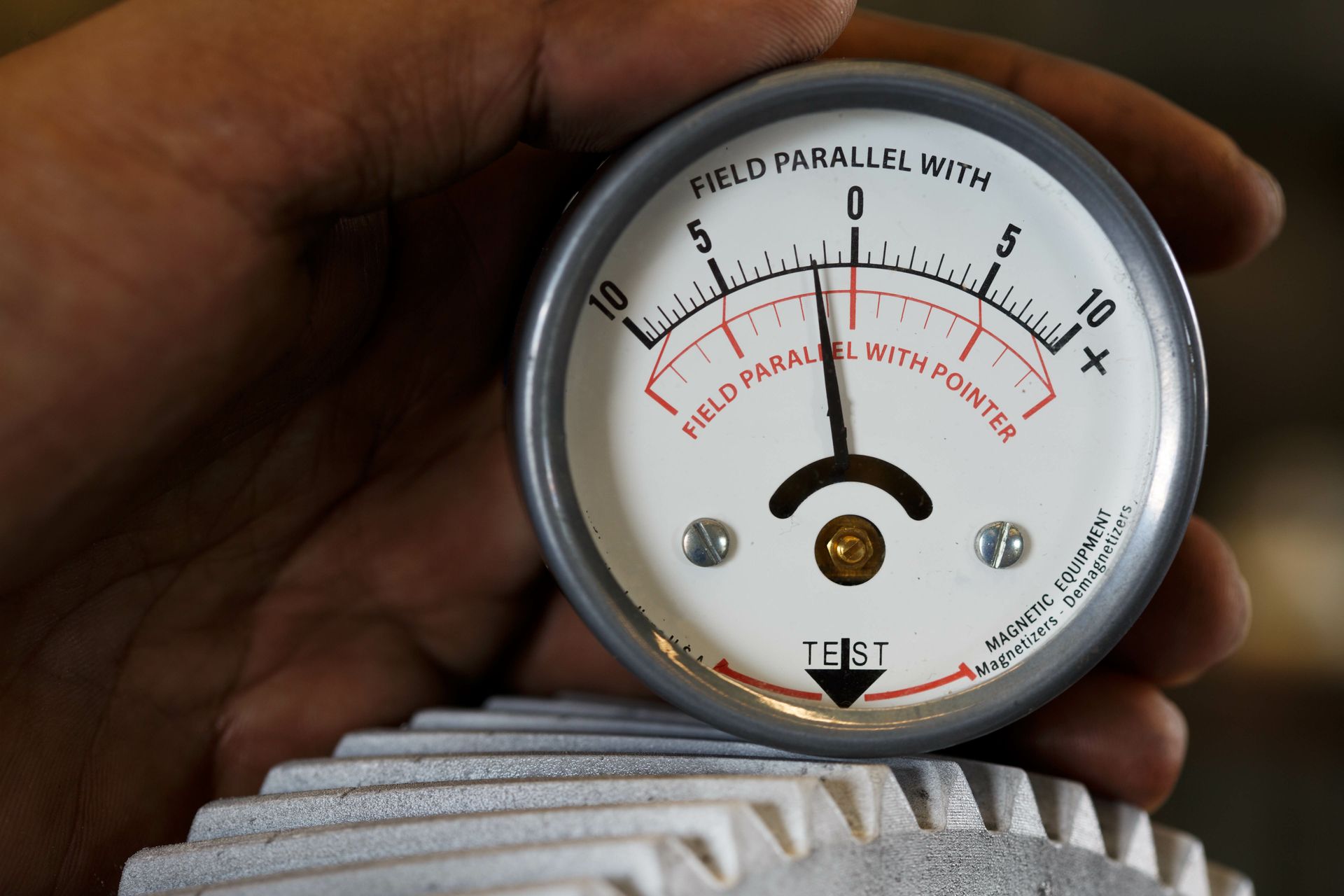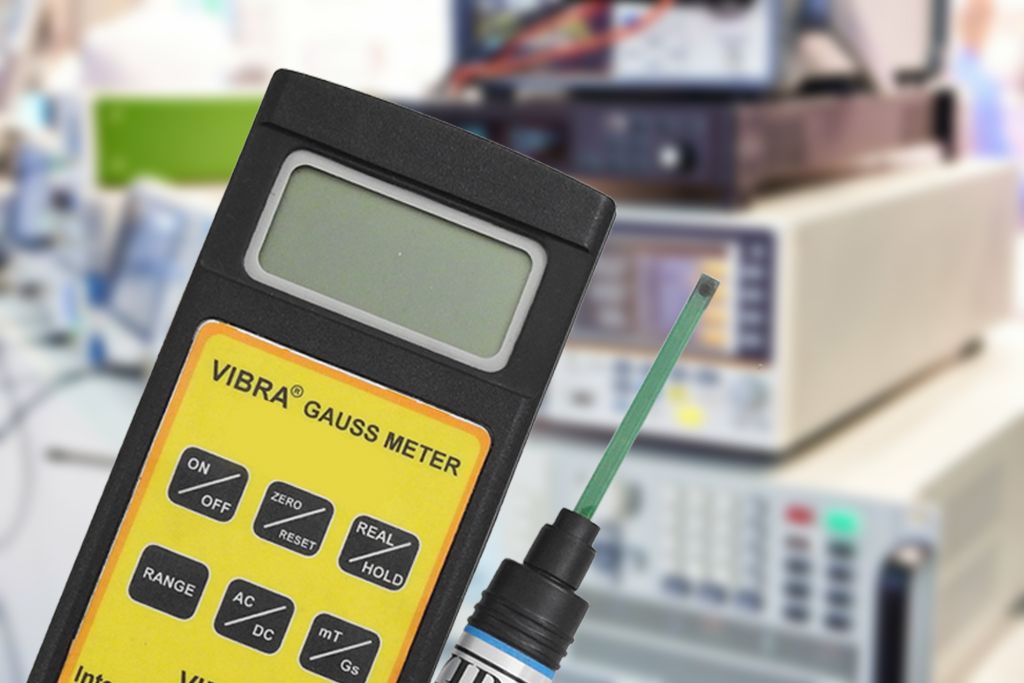
For many Malaysian businesses, gauss meter calibration is easy to treat as a routine maintenance task. The device still turns on, readings still appear, and everything seems fine, until inconsistencies begin affecting product quality, safety, or compliance.
That is the real risk.
Gauss meter calibration in Malaysia is not just about keeping equipment functional. It is about ensuring every magnetic field measurement remains accurate, traceable, and defensible.
For companies that rely on consistent magnetic field measurement, regular calibration is a practical safeguard. It supports reliable decisions, stronger records, and greater confidence in the measurement process.
What Is Gauss Meter Calibration and Why Does It Matter?
Gauss meter calibration ensures that your device provides accurate and traceable magnetic field measurement results.
In simple terms, it is the process of comparing your device against a suitable reference standard to confirm its accuracy and confirm whether it still performs within an acceptable tolerance for its intended use.
Over time, every instrument can drift. Even if your gauss meter appears to work normally, the readings may slowly become less reliable.
A working device is not always an accurate one.
Why calibration matters
- Ensures reliable magnetic field measurement for daily operations
- Helps prevent hidden measurement errors that affect product quality
- Supports quality systems and audit readiness
- Provides traceability through a valid calibration certificate
What happens when calibration is skipped
- Measurements may become less reliable over time
- Small inaccuracies can develop into larger operational issues
- Audit and documentation risks increase when calibration records are missing or outdated
Why this matters in Malaysia
In the Malaysian context, gauss meter calibration is part of the wider quality system.
Without proper calibration records and traceability, even plausible-looking readings can be difficult to defend during inspections, customer reviews, or audits.
Why Annual Calibration Is a Common Starting Point in Malaysia
Annual gauss meter calibration in Malaysia is a common starting point for maintaining measurement confidence, but it is not a universal legal rule for every instrument.
Why a 12-month interval is common
A 12-month interval is often used because it is practical, familiar to quality teams, and manageable for recordkeeping.
Why many businesses follow it
- Quality systems require measuring equipment to be calibrated or verified at suitable intervals where traceability is needed
- Quality teams and auditors expect calibration records to be current, complete, and justifiable
- Industrial testing environments often require traceable measurement results (Department of Standards Malaysia; ISO/IAF guidance on measurement traceability)
Why annual does not always mean enough
Calibration intervals should still reflect actual use.
A meter used occasionally in a controlled setting does not face the same risks as one used daily in production, exposed to heat, transport, or repeated handling. Annual calibration is a practical baseline, but some applications may need tighter control.
Why Does a Gauss Meter Drift?
Gauss meter drift occurs gradually due to environmental and operational factors, often without obvious warning signs.
Common causes of drift
- Temperature fluctuations
- Mechanical shock from handling or transport
- Exposure to strong magnetic fields
- Ageing internal components
Why drift matters
Because drift is gradual, magnetic field measurement errors may go unnoticed until they begin affecting quality or compliance.
This is especially important when readings are used repeatedly across production batches, inspection checks, or customer reporting. Even a small shift in accuracy can become significant over time.
That is why gauss meter calibration should be treated as preventive control rather than corrective repair.
The Risks of Using Uncalibrated Meters
Using an uncalibrated gauss meter introduces hidden risks that can affect quality, safety, and compliance.
Comparison Table
| Area | Impact of Uncalibrated Magnetic Field Measurement |
| Quality control | Inconsistent magnet strength or defective products |
| Compliance | Avoidable audit findings or rejected documentation |
| Safety | Incorrect readings in sensitive environments |
| Cost | Rework, downtime, and material waste |
How those errors spread
Inaccurate magnetic field measurement can lead to poor decisions in production, inspection, and safety processes.
If your readings are wrong, you may approve a product that should fail, reject one that is actually within spec, or miss a developing issue in a sensitive environment.
Why this becomes a business issue
The longer an uncalibrated device remains in use, the more likely it is to contribute to quality escapes, unnecessary rework, avoidable audit complications, and wasted operational effort.
What Happens During Gauss Meter Calibration?
Gauss meter calibration involves checking the device against a suitable reference standard and documenting its measurement performance.
Typical calibration steps
- Zero calibration to establish a correct baseline
- Comparison against a certified magnetic reference
- Multi-point testing across different measurement ranges
- Identification of measurement deviations
- Adjustment or correction where required
- Issuance of a calibration certificate
Why the process matters
When performed by a competent and traceable provider, the calibration certificate documents the results and supports confidence in the instrument’s accuracy for real operating conditions.
Calibration also creates a useful history. Over time, that makes it easier to review performance, spot recurring issues, and justify the chosen calibration interval.
How to Get a Calibration Certificate in Malaysia
Obtaining a calibration certificate in Malaysia means working with a competent provider that can demonstrate traceability and issue clear documentation.
What to look for in a provider
- Calibration services accredited under SAMM to MS ISO/IEC 17025, where relevant
- Traceable calibration methods and reference standards
- A clear and complete calibration certificate
- Documented measurement uncertainty where applicable
(Department of Standards Malaysia; SAMM)
Why the certificate matters
A good calibration certificate helps show that your magnetic field measurement process is being controlled properly for quality and audit purposes.
It should be clear enough to support internal review, customer checks, and any quality documentation that relies on the instrument.
Not all paperwork is equally useful
A document that is incomplete, unclear, or missing relevant traceability details may not provide much support when questions arise later. Choosing the right provider therefore affects both the calibration result and the strength of the documentation behind it.
When Should You Calibrate More Frequently Than Once a Year?
Annual calibration is a common baseline, but certain conditions may justify more frequent servicing.
Situations that justify a shorter interval
- Equipment is used continuously in production
- Measurements directly affect safety, compliance, or product acceptance
- Instruments are frequently transported or handled
- Readings begin to show inconsistencies
Why a risk-based schedule is stronger
A gauss meter used heavily across multiple shifts may face more stress than one stored in a controlled room and used only occasionally.
That is why a risk-based approach is often stronger than a fixed routine. If the instrument is exposed to more demanding conditions, shortening the interval can be a sensible step to protect accuracy and reduce uncertainty.
Industries in Malaysia That Rely on Gauss Meter Calibration
Many industries in Malaysia depend on accurate magnetic field measurement for quality and safety.
Common examples
- Manufacturing, where magnet strength can affect product performance
- Food processing, where magnetic separators help reduce contamination risk
- Electronics, where precise measurements support product integrity
- Healthcare and technical environments, where magnetic exposure may need to be monitored or controlled
Why calibration matters across sectors
Where measurements influence process decisions, equipment checks, or customer requirements, calibration plays a direct role in maintaining consistency and confidence.
A current calibration certificate supports accuracy, traceability, and stronger documentation across those environments.
Signs Your Gauss Meter Needs Immediate Calibration
Certain warning signs indicate that calibration should not be delayed.
Watch for these signs
- Sudden changes in magnetic field measurement readings
- Inconsistent results across tests
- The device has been dropped or damaged
- Failed quality control checks
Why quick action matters
Waiting for the next scheduled service after one of these warning signs appears can expose your business to unnecessary risk.
A single abnormal result may be the first sign of drift, physical damage, or a developing reliability issue. Prompt calibration helps prevent that uncertainty from spreading into production records, inspection decisions, or customer-facing data.
Why You Should Calibrate Your Gauss Meter
Gauss meter calibration is not just a maintenance routine. It is a critical part of accurate magnetic field measurement, traceability, and operational reliability. In Malaysia, a yearly calibration cycle is a common starting point for keeping equipment dependable and audit-ready, but the correct interval should always reflect actual use and risk.
For businesses that rely on magnetic field measurement, calibration supports more than compliance. It supports better decisions, stronger documentation, and greater confidence in the results your team uses every day.
At Sematic Magnet manufacturer Malaysia, we support businesses across the country with reliable gauss meters, including supply, testing, and meter calibration support. If you need accurate magnetic field measurement and a trusted calibration certificate, we are here to help keep your operations precise, traceable, and confident.