Metal contamination in food processing rarely happens in a single moment. More often, it develops across multiple stages, starting from raw material intake and continuing through processing, handling, and packaging.
This is where many food plants fall short. Magnets may be installed, but not always placed strategically. A single magnet near the beginning or end of the line may look sufficient on paper, but in practice, contamination can bypass that point entirely.
To build an effective food contamination prevention system, magnets should be integrated into your HACCP approach as part of a broader, layered control strategy. This means understanding not just where contamination might occur, but how it moves through your production line.
In this guide, we break down the 5 critical control points for magnets in food plants, along with practical placement strategies, selection criteria, and real-world considerations for businesses evaluating magnet systems or a magnet supplier in Malaysia.
Quick Comparison Table: The 5 Critical Control Points
| CCP Stage | Primary Risk Source | Magnet Type Commonly Used | Why It Matters |
| Raw Material Intake | Supplier contamination | Grate magnets, plate magnets | Stops contamination at entry |
| Pre-Processing | Equipment damage risk | Drawer magnets | Protects machinery |
| Post-Equipment | Wear-related metal fragments | Inline magnets | Captures generated fragments |
| Pre-Packaging | Process carryover | High-strength rare earth magnets | Final internal safeguard |
| Final Verification | Residual contamination | Magnet + detector combo | Last line before release |
Identifying Risks in Your Production Line
Before deciding where to place magnets, you need a clear understanding of your contamination risks.
Common sources of metal contamination include:
- Incoming raw materials, especially bulk ingredients from suppliers
- Mechanical wear from grinders, mixers, conveyors, and pumps
- Maintenance-related debris such as bolts, screws, and filings
- Human handling errors during processing
Each of these sources behaves differently. Some introduce contamination at the start of the process, while others generate it internally over time.
Key questions to guide your risk assessment:
- Where is contamination most likely introduced?
- Which equipment has the highest wear rate?
- Where would contamination cause the most damage?
- Which stages lack downstream detection systems?
In Malaysia, these considerations are best reflected in documented hazard analysis, process flow, verification, and recordkeeping. For HACCP certification, the Ministry of Health requires documents such as process flow diagrams, hazard analysis worksheets, HACCP plan summaries, and verification schedules.
Food premises covered by the Food Hygiene Regulations 2009 must also maintain a food safety assurance programme and relevant records (Ministry of Health Malaysia; Food Hygiene Regulations 2009; MS 1480 HACCP).
Where Should Magnets Be Placed?
Magnet placement is not about covering as many points as possible. It is about placing magnets at critical interception points where contamination can be effectively removed.
The most effective systems usually follow two principles:
- Capture contamination as early as possible
- Reinforce protection before high-risk or final stages
This layered approach means that even if one magnet misses a particle, another downstream may still intercept it.
Selection Criteria: Choosing the Right Magnet System
Before implementing any magnet system, businesses should evaluate their options based on real operational needs, not just product specifications.
Key selection criteria include:
- Magnetic strength: Higher strength may be needed for finer ferrous particles and more demanding applications
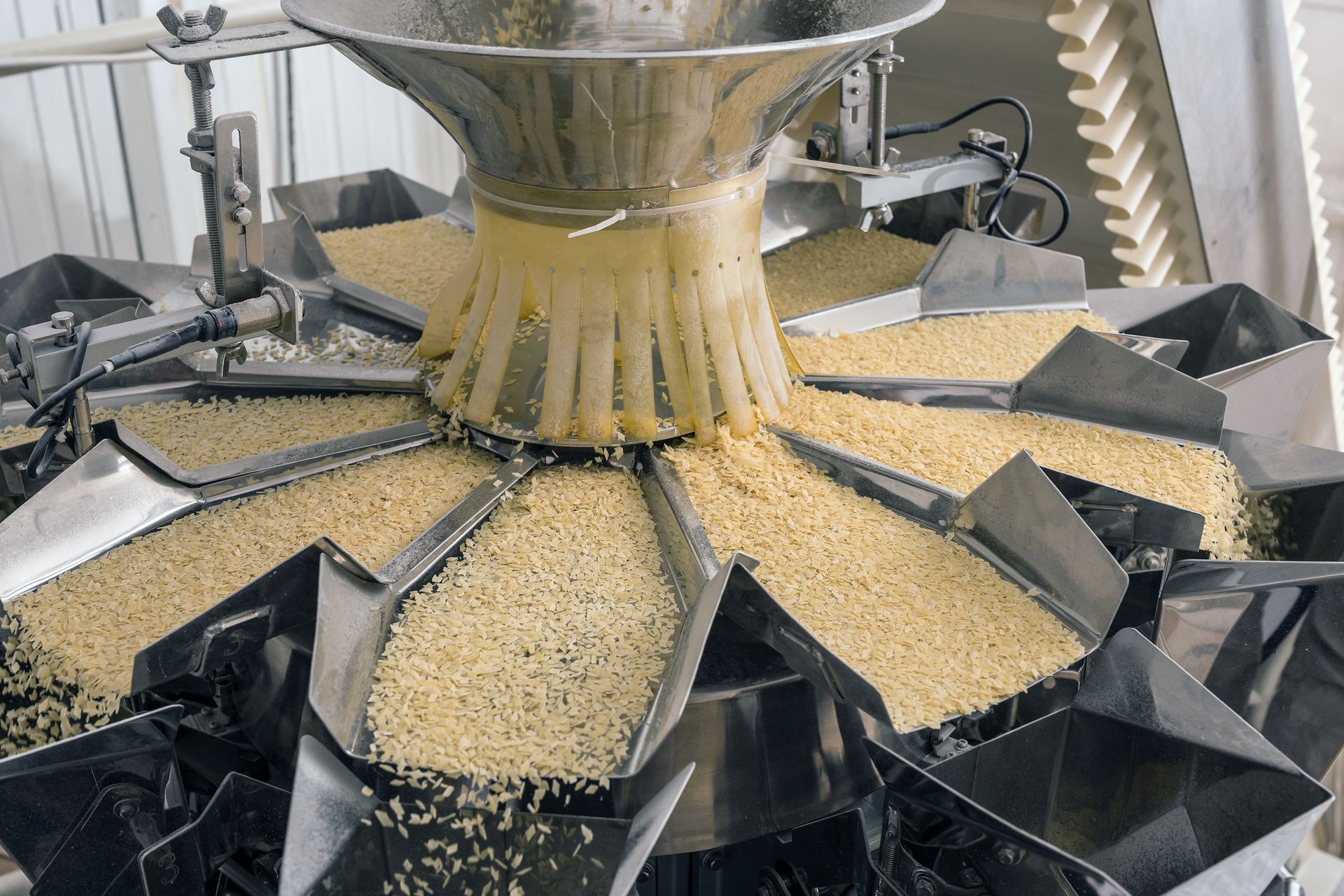
- Product flow type: Powders, liquids, and granules each require different magnet configurations
- Throughput capacity: Larger volumes may require multiple magnets or greater magnetic surface area
- Ease of cleaning: Systems should be easy to clean to support hygiene and routine maintenance
- Installation constraints: Pipe size, conveyor layout, and available space all matter
- System integration: Magnets should complement metal detectors, X-ray systems, and inspection procedures where relevant
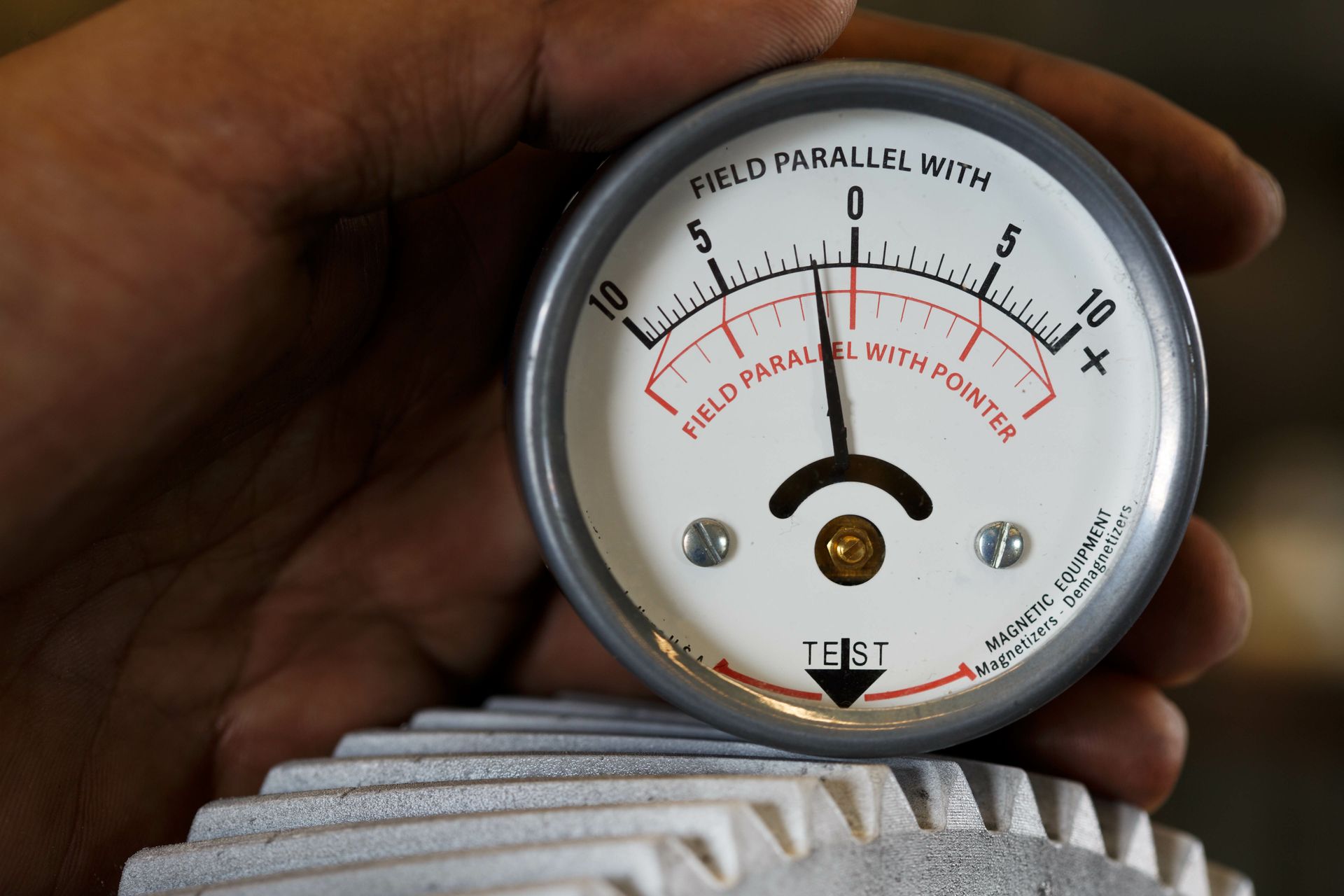
- Testing and validation capability: Regular verification is important for performance checks and audit readiness
Choosing the wrong magnet is not just a performance issue. It can create blind spots in your contamination control system.
The 5 Critical Control Points for Magnets
CCP 1: Raw Material Intake
Why this is critical
Raw material intake is the earliest opportunity to intercept contamination. If metal enters your system here, it can spread across multiple stages and become harder to remove later.
Typical risks
- Contamination from suppliers
- Metal fragments introduced during transport
- Foreign objects in bulk shipments
Control approach
Installing grate or plate magnets at intake can help capture contaminants before they enter processing equipment. This reduces the contamination load moving through the rest of the line.
Monitoring focus
- Daily inspection of captured materials
- Cleaning logs to help ensure magnets remain effective
CCP 2: Pre-Processing Equipment Protection
Why this is critical
Processing equipment such as grinders and mixers is vulnerable to damage from metal contamination. Even a small fragment can result in costly downtime, repairs, or reduced efficiency.
Typical risks
- Hard metal objects damaging machinery
- Equipment failure leading to production delays
Control approach
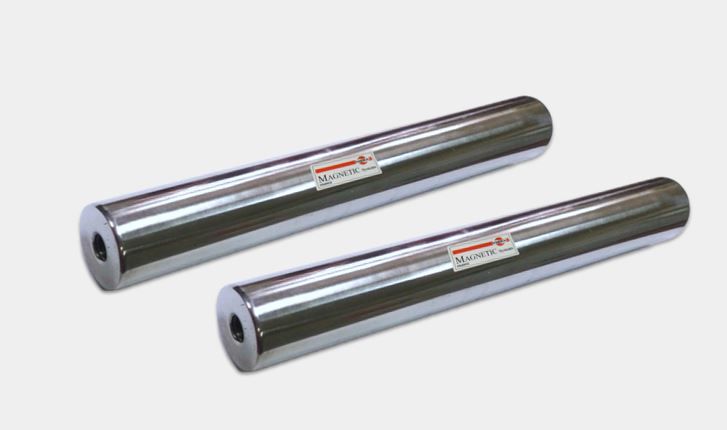
Drawer magnets are often installed before processing equipment to help protect machinery and support smoother operations.
Monitoring focus
- Pre-shift inspections
- Maintenance-linked verification
CCP 3: Post-Equipment Contamination Control
Why this is critical
Even if raw materials are clean, your own equipment can generate contamination over time.
Typical risks
- Metal shavings from wear and tear
- Abrasion from high-speed or high-pressure processing
Control approach
Inline magnets placed after high-risk equipment can help capture particles generated during processing.
Monitoring focus
- Frequency and volume of captured particles
- Early warning signs of equipment wear
This stage is sometimes overlooked, even though equipment wear is a well-recognised source of metal fragments in food processing.
CCP 4: Pre-Packaging Control
Why this is critical
This is one of the last internal control points before products are sealed and distributed.
Typical risks
- Residual contamination from earlier stages
- Particles that bypass upstream magnets
Control approach
High-strength rare earth magnets are commonly used here where fine ferrous contamination needs to be captured before final packing.
Monitoring focus
- Increased inspection frequency
- Alignment with HACCP critical limits or internal control limits, where applicable
CCP 5: Final Product Verification
Why this is critical
This is the last opportunity to prevent contaminated products from reaching consumers.
Typical risks
- Fine particles that escape earlier controls
- System inefficiencies or coverage gaps
Control approach
At this stage, magnets are often used alongside metal detectors or X-ray systems for broader coverage and final verification.
Monitoring focus
- Regular validation testing
- Calibration and verification records for audit purposes
Intake vs. Final Packing: Why One Magnet Is Not Enough
A common misconception is that a single magnet, either at intake or final inspection, is enough.
In practice, each stage serves a different purpose:
- Intake magnets reduce the initial contamination load
- Final-stage systems act as a safety net
- Intermediate controls help intercept contamination generated within the process itself
Without those middle control points, contamination can accumulate and move downstream unnoticed.
The most effective systems use layered protection, with magnets and detection methods positioned across multiple stages of the process.
CCP Magnetic Separation vs HACCP Plan Magnets
Not all magnets are automatically classified as part of CCP magnetic separation.
Under HACCP, a step is only a CCP when control at that point is essential to prevent, eliminate, or reduce a significant food safety hazard to an acceptable level. In practice, some magnets function as preventive or supporting controls rather than CCP magnetic separation, especially when a later validated magnetic separation or detection step controls the same hazard (Codex HACCP; Ministry of Health Malaysia).
Magnets are more likely to be treated as part of CCP magnetic separation when:
- The hazard is significant based on the hazard analysis
- That magnet point is essential to control the hazard
- No later validated step adequately controls the same risk
This distinction matters because CCP classification should come from the hazard analysis, not from the equipment type alone.
Common Magnet Placement Mistakes in Food Plants
Even well-equipped plants can run into problems because of poor magnet strategy.
Common mistakes include:
- Installing only one magnet across the entire process
- Placing magnets too late in the production line
- Poor alignment with product flow
- Lack of cleaning and inspection records
- No validation or performance testing
These issues can create audit non-conformities and food safety compliance gaps if they weaken monitoring, verification, recordkeeping, or contamination control (Ministry of Health Malaysia; Food Hygiene Regulations 2009).
How Many Magnets Does a Food Plant Actually Need?
There is no universal answer, because the right number depends on your process design and risk profile.
Key factors include:
- Number of processing stages
- Type of equipment used
- Risk level of raw materials
- Required compliance standards
- Whether other validated detection systems are already in place
General guideline:
- At least one magnet at each major risk point
- Additional magnets after high-wear equipment where contamination may be generated internally
The goal is not to maximise quantity, but to optimise placement.
Getting Magnet Placement Right
Magnet placement is not just about installing equipment. It is about building a structured, risk-based system that supports both food safety and operational efficiency.
When magnets are placed based on hazard analysis, supported by monitoring and verification, and integrated with the rest of your control system, they become far more effective.
If you are evaluating your magnetic separation strategy or planning a system upgrade, Sematic Magnet is a magnet manufacturer in Malaysia that can help you design a solution around your actual production risks, not assumptions. We work with food manufacturers to develop, test, and optimise magnet systems that improve contamination control, protect equipment, and strengthen audit readiness.