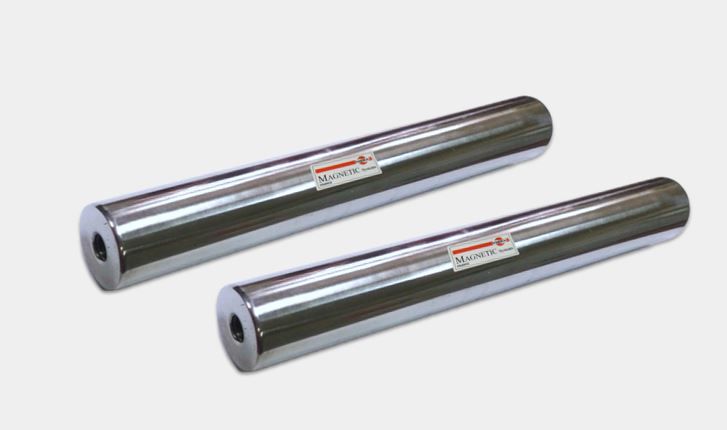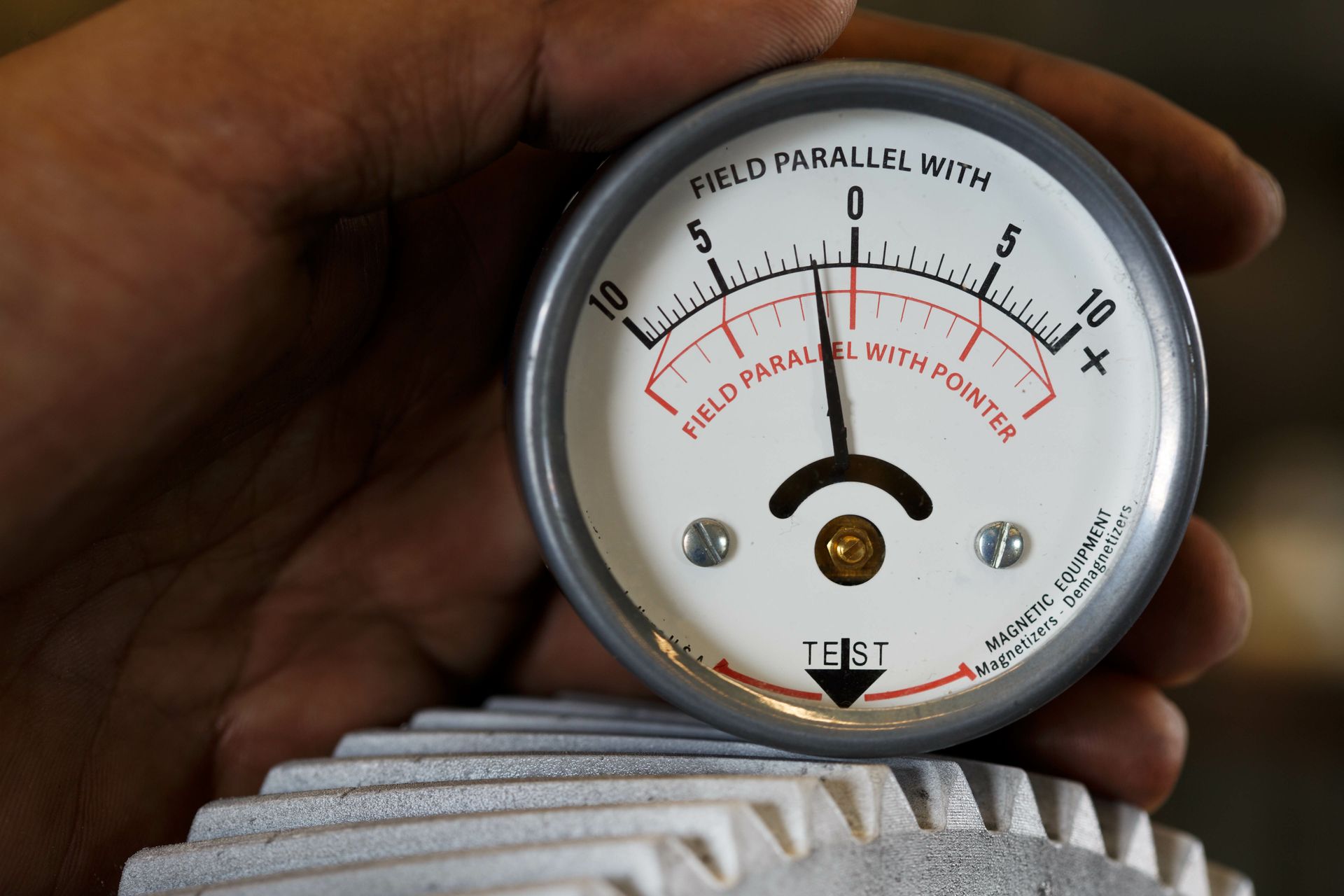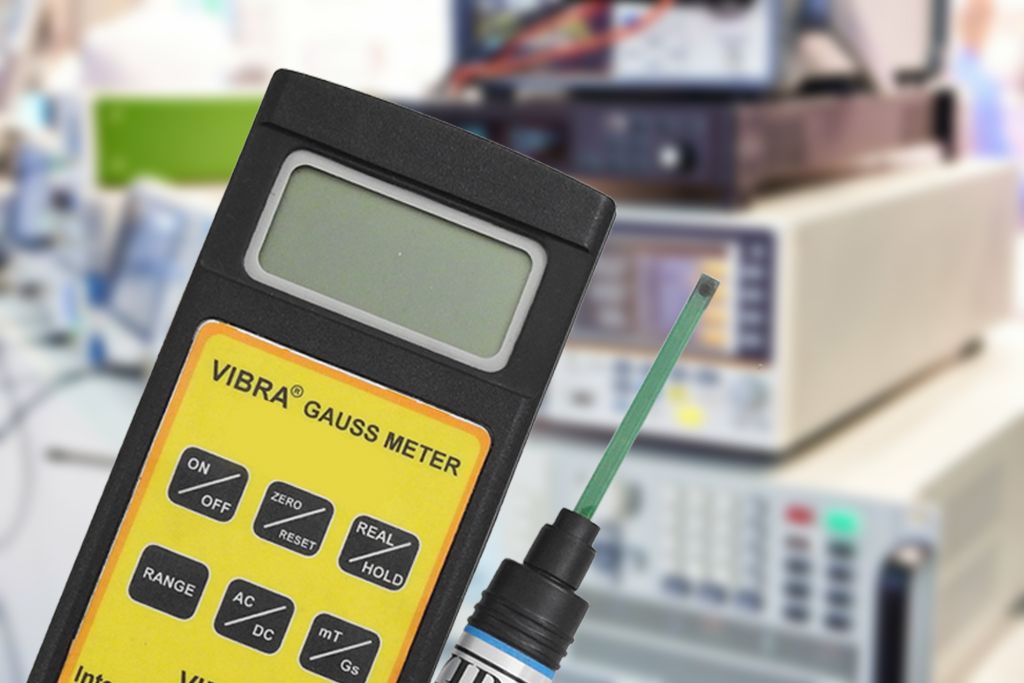
For many Malaysian businesses, choosing between local and imported magnets is not just about price, it is about risk, reliability, and operational continuity.
At first glance, buying magnets online from overseas suppliers may seem cost-effective. Lower unit pricing and bulk discounts can be attractive, especially for procurement teams under pressure to reduce costs. However, the reality is more complex. Shipping and clearance charges, industrial magnet lead times, documentation requirements, and inconsistent quality can quickly outweigh any upfront savings.
(Sources: RMCD Sales Tax Act 2018; RMCD General Guide on Sales Tax; DHL Malaysia Import Tax & Duties Guide)
This is especially relevant in Malaysia’s manufacturing, food processing, and industrial sectors, where magnets are critical components in separation, filtration, and safety systems. A delay or failure is not just an inconvenience, it can halt production or trigger audit and compliance issues.
In this guide, we break down the real differences between working with a magnet supplier Malaysia and importing from overseas, helping you make a more informed decision in 2026.
Quick Comparison: Local vs Imported Magnets
| Factor | Local Magnet Supplier Malaysia | Imported Magnets |
| Lead time | Often days for in-stock items; longer for custom builds | Often weeks (production + international freight + customs); can extend in disruptions |
| Shipping cost | Minimal or included | Higher and more variable (freight + handling + clearance-related fees) |
| Quality control | Easier verification and testing | Limited visibility until goods arrive |
| Compliance | Easier alignment with buyer specs and audit expectations | Higher documentation risk if specs and records are incomplete |
| After-sales support | Immediate and local | Limited or delayed (time zones, returns logistics) |
| Flexibility | Custom builds and quick adjustments are often more practical | Often fixed specifications and longer change cycles |
While imported magnets may appear cheaper upfront, local sourcing often delivers better control, predictability, and long-term value.
Features Comparison: What You Are Really Buying
Local Magnet Supplier Malaysia
Local suppliers provide more than just products, they offer operational support.
Working with a magnet supplier in Malaysia means you are not just purchasing magnets, you are accessing expertise tailored to Malaysian industrial conditions and faster response when issues happen.
- Faster access to ready stock or local fabrication
- Direct communication with engineers or technical teams
- Ability to conduct site visits and performance checks
- Solutions adapted to local environment and buyer requirements
For example, in many food plants, magnets and housings may need to suit your sanitation regime (e.g., washdown exposure) and process temperatures, depending on where they are installed. Local suppliers can help match the right grade, housing, and protection method to the operating conditions.
(Sources: Codex General Principles of Food Hygiene; FSSC 22000 Physical Contamination Insight)
Imported Magnets
Imported magnets offer variety, but often at the cost of visibility and control.
Many businesses turn to overseas suppliers when buying magnets online due to perceived cost savings or wider selection.
- Access to global manufacturers and bulk pricing
- Standardised product catalogues
- Limited ability to verify production quality before arrival
- Communication gaps across time zones
Without direct oversight, it becomes harder to confirm whether the magnet meets the required specification, especially for critical applications where documentation and traceability matter.
Pricing Breakdown: The Hidden Costs of Shipping
The biggest misconception is that imported magnets are cheaper.
In reality, the total cost of ownership often tells a different story because the landed cost includes far more than the unit price.
Imported Magnets Cost Structure
- Base product cost: Often lower initial price
- Freight charges: Air or sea freight can materially change the landed cost
- Import taxes: Import duty (if applicable) and sales tax (SST) may be payable depending on HS classification and exemptions
- Handling and clearance-related fees: Charges may apply for documentation, brokerage/agent work, terminal handling, inspections, and other clearance steps
- Risk buffer: Contingency for delays, rework, or replacement if specs and documentation do not match requirements
(Sources: RMCD Sales Tax Act 2018; RMCD General Guide on Sales Tax; DHL Malaysia Import Tax & Duties Guide; ASEAN Briefing Malaysia Import Duties & Taxes)
Local Magnet Supplier Malaysia Cost Structure
- Product cost: Sometimes higher upfront
- Minimal logistics costs: Short-distance delivery and simpler handling
- Faster turnaround: Helps reduce downtime risk
- Lower documentation risk: Easier to align specifications and verify batches
Key Insight: When factoring in downtime risk, lead-time uncertainty, and documentation gaps, imported magnets can become more expensive than sourcing locally.
Why Local Stock Matters for Repairs
Speed is critical when systems fail.
In many industrial environments, magnets are part of essential safety, filtration, and separation systems. When they fail, production may not continue safely or consistently.
With a magnet supplier Malaysia, replacement units may be delivered quickly if stock exists, or produced faster when local fabrication is available. That reduces disruption and helps teams restore normal operations sooner.
In contrast, importing replacements usually involves production lead time, international freight, and customs clearance. Even when shipping is “fast,” variability and processing steps can add days or weeks. (Source: DHL Malaysia Import Tax & Duties Guide)
For businesses operating magnetic device Malaysia systems, local availability is not just a convenience, it is often a practical risk control.
Documentation and Audit Risk: The Real Danger with Imports
Compliance is often overlooked until it becomes a problem.
In regulated sectors (especially food), the biggest risk is not “imports” by default. The risk is insufficient documentation and verification. If magnets or assemblies arrive without clear specifications, material or coating details, or validation records, it can cause issues during audits or customer inspections.
Common problem areas include:
- Missing or incomplete specifications and supporting documents
- Unclear material or coating suitability for the operating environment
- Inconsistent build quality between batches
- Performance issues under local conditions (humidity, cleaning regimes, temperature exposure), depending on installation point
In food operations, companies are expected to control physical contamination (including metal) and demonstrate that controls are effective and traceable, which is where documentation and verification matter most.
(Sources: Codex General Principles of Food Hygiene; MOH Malaysia Food Regulations 1985; FSSC 22000 Physical Contamination Insight)
Industrial Magnet Lead Times: A Business Risk
Industrial magnet lead times are not just a logistical issue, they are a strategic risk.
Local Scenario
- Often faster access for in-stock items
- More predictable coordination for urgent needs
- Easier alignment with project schedules and shutdown windows
Imported Scenario
- Production cycles vary by factory and order size
- Freight delays can occur due to capacity constraints or disruptions
- Customs clearance steps add variability
- Limited flexibility for urgent spec changes or rework
For Malaysian SMEs, longer and more variable lead times can disrupt operations, especially when magnets are integrated into critical machinery, filtration systems, or audit-sensitive processes. (Source: DHL Malaysia Import Tax & Duties Guide)
After-Sales Support in Malaysia vs Overseas
The real value of a supplier shows after the sale.
Local Magnet Supplier Malaysia
- On-site troubleshooting and consultation (where offered)
- Performance checks and practical recommendations for the operating environment
- Faster replacement or upgrades
- Ongoing support aligned to local industrial conditions
Overseas Suppliers
- Remote support only
- Delayed responses due to time differences
- No physical presence for troubleshooting
- Higher time and cost for returns, replacements, and rework
For businesses that depend on magnetic device Malaysia systems, after-sales support can materially affect uptime and long-term performance.
Other Key Considerations
Customisation vs Standardisation
Local suppliers can often tailor solutions based on your application. Imported magnets are frequently sold as standardised items designed for broad markets, and changing specs may require new production cycles and longer waits.
Quality Consistency
With a magnet supplier Malaysia, it is usually easier to verify batches, clarify tolerances, and confirm documentation. With imports, batch-to-batch variation may be harder to detect until goods arrive, especially if orders are sourced through multiple intermediaries.
Total Cost of Ownership
True cost includes more than the purchase price. It involves:
- Downtime risk
- Maintenance requirements
- Replacement cycles
- Documentation readiness for audits or customers
- Predictability of supply
When these factors are considered, local sourcing often proves more cost-effective over time.
Pros and Cons: Head-to-Head
Local Magnet Supplier Malaysia
Pros
- Faster delivery for stock items and quicker response when issues occur
- Lower operational uncertainty
- Stronger after-sales support
- Easier alignment with specifications and documentation expectations
Cons
- Sometimes higher upfront pricing
- Smaller supplier pool depending on niche requirements
Imported Magnets
Pros
- Often lower unit pricing on paper
- Wider global selection
Cons
- Longer and more variable lead times
- Landed cost can rise due to freight, clearance, taxes, and fees
- Documentation gaps can create audit or compliance friction
- Support and returns are slower and more complex
(Sources: RMCD Sales Tax Act 2018; DHL Malaysia Import Tax & Duties Guide)
Decision Framework: When to Choose Local vs Imported
Choosing the right sourcing strategy depends on your operational priorities.
- Choose local: When reliability, speed, and documentation readiness are critical
- Choose imported: When landed cost is clearly favorable and you can tolerate longer replenishment times, with contingency stock and verified specifications and records
For most Malaysian industrial applications, working with a trusted industrial magnet shop Malaysia provides a stronger balance between cost, performance, and risk.
Making the Right Choice in Magnets for Your Business
Choosing between local and imported magnets is not just about pricing, it is about safeguarding your operations against delays, documentation gaps, audit risk, and hidden landed costs. For many businesses, a reliable magnet supplier in Malaysia offers stronger long-term value and operational stability. (Sources: RMCD General Guide on Sales Tax; DHL Malaysia Import Tax & Duties Guide)
If you are looking for dependable sourcing, testing, and custom-built solutions, Sematic Magnet supports your needs as a magnet manufacturer in Malaysia, with in-house R&D and technical expertise, helping your operations stay efficient, compliant, and future-ready.